





Introduction
A clean and comfortable home can still experience unwanted pests. Ants may appear around food, cockroaches can hide in dark corners, and insects may enter through small openings around doors and windows. When pests find suitable food, water, warmth, or shelter, they can become difficult to manage without a consistent approach.
Pest control is about more than removing insects after they appear. Effective prevention involves identifying conditions that attract pests, maintaining cleanliness, reducing access points, and addressing infestations before they become larger problems.
Understanding common pest behaviors and taking sensible preventive steps can help homeowners protect their living spaces throughout the year.
What Is Pest Control?
Pest control refers to methods used to prevent, reduce, or eliminate unwanted insects and other pests from homes and properties.
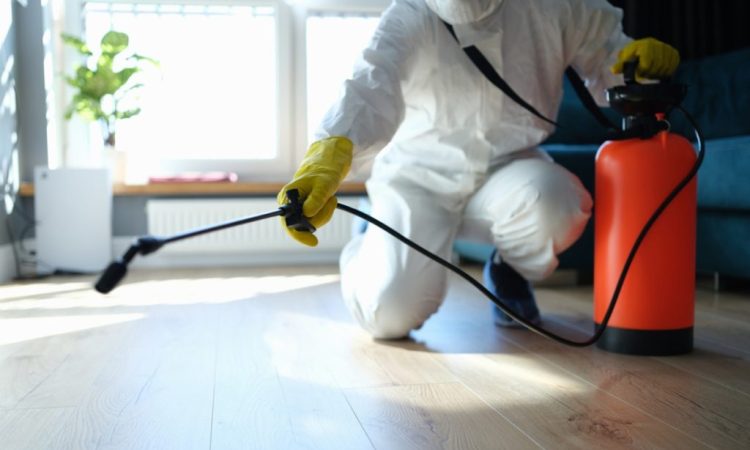
Depending on the situation, pest management may involve improving sanitation, sealing entry points, removing sources of moisture, using traps, or applying appropriate pest-control treatments.
The right approach depends on the type of pest, the size of the problem, the location of the infestation, and the condition of the property.
Why Pest Prevention Matters
Pests can become a nuisance when they enter kitchens, bedrooms, storage areas, or other parts of a home. Some pests may also damage household materials or contaminate food.
For example, ants may establish trails between food sources and hidden nesting areas. Cockroaches may remain inside cabinets or behind appliances where they are difficult to notice during the day.
Addressing the conditions that attract these pests can make a home less appealing to them.
Common Pests Found Around Homes
Ants
Ants are often attracted to food particles, sugary substances, and moisture. Once a colony finds a reliable food source, more ants may follow the same path.
Cleaning spills promptly and storing food in sealed containers can help reduce attraction.
Cockroaches
Cockroaches prefer warm, dark, and sheltered areas. Kitchens, bathrooms, cabinets, and spaces behind appliances can provide suitable hiding places.
Keeping food areas clean, reducing moisture, and sealing gaps can support prevention.
Mosquitoes
Mosquitoes can become more common around areas where standing water collects. Containers, blocked drains, plant trays, and other locations may hold enough water for mosquitoes to breed.
Removing unnecessary standing water is an important preventive measure.
Flies
Flies are commonly attracted to food waste, uncovered food, and decomposing organic material. Keeping waste containers covered and cleaning food spills can help discourage them.
Signs of a Pest Problem
Not every pest infestation is immediately visible. Some signs may indicate that pests are active even when few insects are seen.
Look for droppings, damaged food packaging, unusual odors, insect trails, nesting material, shed insect skins, or repeated sightings in the same area.
For example, seeing one ant may not necessarily indicate a major problem, but repeated ant trails around the kitchen could suggest an established source nearby.
How to Prevent Pests at Home
Keep Food Properly Stored
Food should be stored appropriately and leftovers should not remain exposed for long periods.
Dry ingredients can be kept in sealed containers when practical. Regularly cleaning crumbs from counters, floors, and cupboards also reduces available food sources.
Control Moisture
Many pests are attracted to damp environments. Check for leaking pipes, dripping faucets, blocked drains, and areas where water regularly accumulates.
Keeping bathrooms, kitchens, and other damp areas dry can make the environment less attractive to certain pests.
Seal Entry Points
Small gaps around doors, windows, pipes, vents, and walls can provide access for insects.
Inspecting the exterior and interior of a property for openings can help identify possible entry routes. Appropriate repairs or sealing can reduce opportunities for pests to enter.
Maintain Outdoor Areas
Pest prevention should not stop at the front door. Overgrown vegetation, piles of debris, standing water, and poorly maintained outdoor areas can create shelter or breeding opportunities.
Keeping the area around the property reasonably clean can support overall pest management.
When Professional Pest Control May Be Necessary
Some pest problems can be handled through basic cleaning and preventive measures. However, professional assistance may be appropriate when pests continue returning, appear in large numbers, or are difficult to identify.
A professional can inspect the property, determine likely pest sources, and recommend a suitable treatment approach.
This can be particularly useful when pests are located in inaccessible areas or when repeated household efforts have not solved the problem.
Example: A Kitchen Ant Problem
Imagine a homeowner begins noticing ants around the kitchen counter every morning. Initially, only a few ants are visible.
The homeowner cleans food residue, stores sugar and other ingredients in sealed containers, checks for spills, and observes where the ants are entering.
If the problem continues, professional inspection may help identify a hidden entry point or nearby nesting area.
This example shows why removing visible ants alone may not always address the underlying issue.
Maintaining a Pest-Resistant Home
Pest prevention works best as a routine rather than a one-time activity.
Regularly inspect storage areas, clean food preparation spaces, empty waste containers, check for leaks, and examine possible entry points.
Seasonal inspections can also be useful because changes in temperature and weather can influence pest activity.
Common Pest Control Mistakes
Ignoring Small Signs
A few insects may seem unimportant, but repeated sightings can indicate a developing problem.
Leaving Food Exposed
Crumbs, spills, open containers, and uncovered leftovers can provide easy food sources.
Overlooking Water Sources
Even small amounts of standing or leaking water can attract certain pests.
Treating Only the Visible Area
Pests may hide behind appliances, inside wall gaps, under cabinets, or in other protected spaces. Addressing only the insects that are visible may not solve the underlying problem.
Frequently Asked Questions
How can I prevent pests from entering my home?
Keep food stored properly, clean regularly, manage moisture, remove standing water, maintain outdoor areas, and seal suitable entry points.
When should I contact a pest control professional?
Professional help may be useful when an infestation is persistent, widespread, difficult to identify, or located in areas that are difficult to access safely.
Does keeping a home clean prevent all pests?
Cleanliness can reduce food and shelter sources, but it cannot guarantee that pests will never enter. Buildings can still have entry points and environmental conditions that attract insects.
How often should a home be checked for pests?
There is no universal schedule. Regular visual inspections during routine home maintenance can help identify problems early.
Can small gaps really allow pests inside?
Yes. Some insects can enter through surprisingly small openings around doors, windows, pipes, vents, and other structural areas.
What is the best approach to recurring pest problems?
Recurring problems should be investigated rather than repeatedly treating only visible pests. Identifying the source, entry route, food supply, moisture, or shelter can help create a more effective long-term solution.
Conclusion
Effective pest control begins with prevention. Maintaining clean food areas, controlling moisture, sealing possible entry points, managing outdoor spaces, and responding quickly to warning signs can help keep many common pests under control.
When a problem becomes persistent or difficult to manage, professional pest control can provide a more detailed inspection and targeted solution.
A pest-resistant home is not created through one cleaning session or one treatment. It comes from consistent maintenance and attention to the conditions that allow pests to live and reproduce. With sensible habits and timely action, homeowners can maintain a cleaner, more comfortable living environment.
Pest Control for a Healthy Home: How to Prevent Common Household Infestations
Introduction Unwanted pests can appear in almost any home, regardless of how carefully the property is maintained. Ants may enter...

The Hidden Damage Termites Are Causing in Alexandria Homes Right Now
If you own a home in Alexandria, Louisiana, there is a strong chance that termites are already working somewhere on...

Pest Control: Protecting Your Home, Health, and Environment
Pests are more than a nuisance—they can damage property, contaminate food, and pose serious health risks. Effective pest control is...

How to Identify and Control Termites in Your Home
Termites are often called "silent destroyers" for a good reason. These small insects can cause significant damage to your home...