






Introduction
Moving day is the point when weeks of preparation finally come together. Boxes need to be loaded, furniture has to be transported, important belongings must remain safe, and the new home needs to be ready for arrival. Without preparation, even a relatively short move can become tiring and confusing.
The good news is that moving day becomes much easier when the major decisions have already been made. A clear packing system, properly labeled boxes, an essentials bag, and a simple schedule can help everything move in the right direction.
Whether you are relocating to a nearby apartment or moving to a different city, preparation can reduce unnecessary delays and make the transition more comfortable.
Start Preparing Several Days Before
Although moving day is the final step, preparation should be completed beforehand. Try to finish most packing before the actual moving date.
Everyday belongings that are still needed can be packed last. Clothing, toiletries, basic kitchen items, and essential documents should remain accessible until they are no longer required.
This approach prevents the final morning from becoming a rush to close dozens of unfinished boxes.
Create a Moving Day Plan
Write down the most important tasks and arrange them in a sensible order. Your plan might include:
- Final packing and checking rooms.
- Loading boxes and furniture.
- Checking the old property before leaving.
- Transporting belongings.
- Unloading at the new property.
- Setting up essential rooms.
Keeping the plan simple makes it easier to follow when the day becomes busy.
Keep Important Belongings Separate
Certain items should not disappear into a moving box. Identification documents, keys, financial papers, chargers, valuable personal items, and other essentials should stay with you.
A small personal bag or backpack is useful for these belongings.
For example, if your phone charger is packed into a box labeled “Living Room,” you may spend unnecessary time searching for it after arriving. Keeping it in your personal bag avoids this problem.
Finish Packing Before the Movers Arrive
If professional assistance has been arranged, try to have most belongings packed before the scheduled arrival.
Unpacked items can slow down loading and may make it harder to estimate how long the move will take.
Clearly labeled boxes should be ready to go, while fragile belongings should be identified so they can receive appropriate attention.
Organize Boxes by Room
Grouping boxes according to their destination makes unloading more efficient.
Boxes for the bedroom can be placed together, while kitchen, bathroom, office, and living room boxes can be separated.
This system helps prevent a common moving problem: having to carry boxes from one side of the new property to another because their destination was unclear.
Use Clear Labels
A useful label should contain at least the destination room and a short description.
For example:
“Kitchen – Cooking Utensils”
“Bedroom – Bed Linens”
“Bathroom – Toiletries”
This simple approach can save time during unpacking.
Handle Furniture Carefully
Large furniture often requires more planning than boxes. Before moving wardrobes, beds, tables, or sofas, consider their size and the route they will take.
Protect surfaces where appropriate and clear pathways before carrying heavy objects.
If a piece of furniture is too large for a doorway or staircase, trying to force it through can cause damage to both the item and the property.
Check the Old Home Before Leaving
Once the property appears empty, perform a final walkthrough.
Check wardrobes, drawers, cupboards, shelves, balconies, garages, storage rooms, and other areas where belongings may have been left.
Do not forget small spaces. Chargers, documents, tools, and personal items are particularly easy to overlook.
If you are leaving a rental property, also check whether there are any specific cleaning or handover requirements.
Prepare the New Home
If possible, clean the new property before the main furniture is placed inside. Empty rooms provide easier access to floors, corners, cabinets, and other surfaces.
It can also be useful to identify where major furniture will go before it is unloaded. Even a basic room-by-room plan can reduce unnecessary movement.
Unload With a System
When belongings arrive at the new property, direct boxes to their intended rooms instead of placing everything in one central area.
This may require a little more attention during unloading, but it can save considerable time later.
Large furniture should generally be positioned before smaller boxes are stacked around it.
Set Up the Essentials First
You do not need to complete the entire home immediately. Focus on the rooms that will make the first evening comfortable.
A bed, bathroom supplies, basic kitchen equipment, clothing, and important electronic devices are usually good starting points.
Once these essentials are ready, you can unpack the remaining belongings at a manageable pace.
Example: A Couple Moving Into a New Apartment
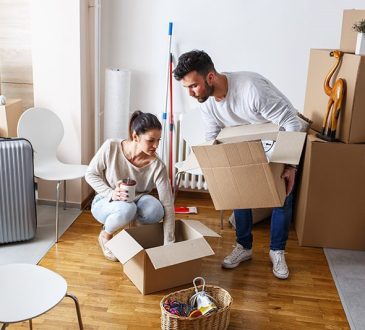
Imagine a couple relocating from one apartment to another. They finish most packing two days before the move and keep a separate bag containing documents, chargers, toiletries, and clothing.
On moving day, boxes are labeled according to rooms. After loading, they perform a final check of the old apartment before leaving.
At the new property, boxes are taken directly to their assigned rooms. The bedroom and bathroom are arranged first, allowing them to rest comfortably while the remaining rooms are unpacked later.
This simple organization prevents the move from becoming unnecessarily chaotic.
Common Moving Day Mistakes
Packing at the Last Minute
Last-minute packing can delay the entire schedule. Finish as much as possible before moving day.
Forgetting to Keep Essentials Accessible
Important items should never be buried inside unidentified boxes.
Creating Unlabeled Boxes
A box without a destination label can create unnecessary confusion during unloading.
Ignoring Pathways
Hallways, staircases, entrances, and doorways should be clear before large items are carried through them.
Trying to Do Everything Immediately
A new home does not need to be completely organized on the first night. Prioritize essential rooms and handle the rest gradually.
Frequently Asked Questions
What should I do the night before moving?
Complete final packing, prepare your personal essentials bag, charge important devices, confirm arrangements, and make sure important documents and keys are easily accessible.
Should I clean before moving into a new home?
If possible, yes. Cleaning empty rooms is generally easier than cleaning after furniture and boxes have been placed inside.
How should I organize moving boxes?
Label them by destination room and general contents. This makes unloading and unpacking much easier.
What items should stay with me?
Keep important documents, keys, valuables, medications, chargers, basic toiletries, and other immediate necessities with you rather than placing them in the moving load.
Do I need to unpack everything on moving day?
No. Focus on essential areas first. The remaining boxes can be unpacked gradually over the following days.
Conclusion
Moving day does not have to be chaotic. Most of the stress associated with relocation comes from poor preparation, unclear organization, or trying to complete too many tasks at once.
Finishing packing early, labeling boxes, protecting important belongings, checking the old property, preparing the new home, and prioritizing essential rooms can make a major difference.
The best moving day is not necessarily the fastest one. It is the one where belongings are handled carefully, important tasks are completed, and you arrive at your new home with a clear plan for settling in.
Moving Made Easier: A Practical Guide to Planning a Smooth Relocation
Introduction Moving to a new home can be an exciting experience, but the process itself often involves considerable planning. Packing...

Budget-Friendly Home Moving Tips That Work
Moving to a new home doesn’t have to drain your savings. With smart planning and a few practical strategies, you...

How to Spot a Reliable Home Moving Service
Choosing a home moving service isn’t just about finding availability—it’s about trusting strangers with everything you own. A reliable moving...