


Introduction
Plumbing is one of the most important systems in any home, even though it is often overlooked when everything is working properly. Clean water needs to reach taps, sinks, showers, and appliances, while wastewater needs to leave the property safely. When a plumbing problem occurs, even a small leak or blocked drain can quickly disrupt daily routines.
Understanding basic plumbing maintenance can help homeowners recognize early warning signs and deal with minor issues before they become more expensive problems. Regular attention to pipes, drains, fixtures, and water connections can also help maintain the efficiency of the entire system.
What Is Plumbing?
Plumbing refers to the network of pipes, fixtures, drains, valves, and related components that supply water and remove wastewater from a property.
A typical home plumbing system serves several areas, including the kitchen, bathrooms, laundry area, outdoor taps, and water-using appliances.
Although much of the system is hidden behind walls or beneath floors, its condition directly affects everyday comfort and convenience.
Why Plumbing Maintenance Matters
Plumbing systems are used every day. Water flows through pipes whenever someone takes a shower, washes dishes, uses a sink, flushes a toilet, or operates a washing machine.
Small problems can develop gradually. A dripping faucet may seem insignificant, but persistent leaks waste water and can eventually damage surrounding surfaces.
Likewise, a slow drain may indicate a developing blockage. Addressing such signs early can prevent more serious disruption.
Common Plumbing Problems
Leaking Faucets
A dripping faucet is one of the most recognizable plumbing issues. It may be caused by a worn internal component, loose connection, or other fixture problem.
Ignoring a constant drip can waste water over time. If tightening or basic maintenance does not solve the issue, professional inspection may be appropriate.
Blocked Drains
Slow or blocked drains commonly occur in kitchens, bathrooms, and laundry areas. Hair, food particles, grease, soap residue, and other materials can accumulate inside pipes.
A slow drain should not always be treated as a minor inconvenience. Repeated blockages may indicate a deeper issue within the drainage system.
Running Toilets
A toilet that continues running after being flushed can waste a significant amount of water. The problem may involve the internal flushing mechanism, valve, or other component.
Because the exact cause can vary, checking the fixture and arranging professional assistance when necessary can prevent ongoing water loss.
Low Water Pressure
Low water pressure can make showers, faucets, and other fixtures difficult to use. The cause may be a clogged fixture, pipe issue, valve problem, or a broader supply concern.
If low pressure affects several fixtures, the problem may require a more detailed inspection.
Preventing Drain Problems
Drain maintenance begins with paying attention to what enters the plumbing system.
Kitchen sinks should not be treated as disposal points for large quantities of grease, oil, food scraps, or other unsuitable materials.
Bathroom drains can also benefit from regular attention. Hair and soap residue can accumulate gradually, eventually reducing water flow.
Watch for Warning Signs
A drain that takes longer than usual to empty may be giving an early warning. Gurgling sounds, unpleasant odors, or repeated backups can also indicate that the drainage system needs attention.
Addressing these signs early may be easier than dealing with a complete blockage later.
Protecting Pipes From Damage
Pipes can be affected by age, temperature changes, corrosion, excessive pressure, and physical damage.
Homeowners should pay attention to visible pipes in areas such as kitchens, bathrooms, basements, utility spaces, and outdoor areas.
If a pipe appears damaged, corroded, or wet around a connection, it should be inspected rather than ignored.
Water Leaks and Their Warning Signs
Not every leak is immediately visible. Some leaks may occur behind walls, under floors, or inside cabinets.
Possible warning signs include unexplained dampness, water stains, peeling surfaces, unusual odors, or unexpectedly high water usage.
For example, a damp patch beneath a kitchen sink may indicate a leaking connection even when no obvious dripping is visible.
Plumbing Maintenance in the Kitchen
The kitchen uses several water connections every day. The sink, dishwasher, water supply lines, and other fixtures should be checked periodically.
Avoid placing excessive weight on plumbing connections beneath the sink. Keep the cabinet area organized so leaks can be noticed quickly.
If water begins collecting inside the cabinet, investigate the source rather than simply drying the surface.
Bathroom Plumbing Care
Bathrooms contain several important plumbing fixtures, including toilets, sinks, showers, bathtubs, and drains.
Regular cleaning can help reduce buildup around fixtures, while careful use can prevent unsuitable materials from entering drains.
If a toilet frequently becomes blocked or a shower drain repeatedly slows down, the underlying cause should be investigated.
Example: A Slow Kitchen Drain
Consider a homeowner who notices that the kitchen sink is draining more slowly each week. At first, the problem appears minor, so it is ignored.
Over time, water begins standing in the sink after washing dishes. The homeowner then checks the drain and discovers accumulated food residue and grease.
This example demonstrates why gradual changes should not be ignored. A slow drain can be easier to address before it becomes completely blocked.
When to Call a Professional Plumber
Some basic maintenance tasks can be handled by homeowners, but certain plumbing problems require professional attention.
Consider contacting a qualified plumber when you notice persistent leaks, repeated drain blockages, major water damage, severe pressure changes, damaged pipes, or problems that cannot be safely identified.
Professional assistance is particularly important when a problem involves hidden pipes, extensive water leakage, or major system components.
How to Choose a Plumbing Professional
When selecting a plumbing provider, consider experience, communication, availability, and the type of work they handle.
Ask for a clear explanation of the problem and the proposed repair. For larger jobs, understanding the expected work and associated costs before work begins can help avoid misunderstandings.
A reliable professional should also treat the property carefully and explain any necessary follow-up maintenance.
Common Plumbing Mistakes
Ignoring Small Leaks
A small leak can become more serious over time. Addressing it early can help prevent water damage.
Pouring Unsuitable Materials Down Drains
Grease, large food particles, and inappropriate household materials can contribute to blockages.
Using Excessive Force
Trying to force a stuck fixture or connection can cause additional damage. If a component does not move as expected, professional assistance may be safer.
Delaying Professional Repairs
Repeatedly postponing a known plumbing problem can allow damage to spread and may make future repairs more complicated.
Frequently Asked Questions
How often should plumbing systems be inspected?
There is no universal schedule for every home. Regular visual checks of accessible pipes, faucets, toilets, and drains can help identify problems early.
What causes most household drain blockages?
Common causes include hair, food residue, grease, soap buildup, and unsuitable materials entering the drainage system.
Why is my faucet dripping?
A dripping faucet may result from a worn internal component, loose connection, or another fixture issue. If basic maintenance does not resolve it, professional inspection may be needed.
What are signs of a hidden water leak?
Damp areas, water stains, unusual odors, peeling surfaces, or unexplained changes in water usage may indicate a concealed leak.
When should I call a plumber?
Professional help is advisable for persistent leaks, major blockages, damaged pipes, serious water damage, recurring problems, or issues involving hidden plumbing.
Conclusion
Good plumbing maintenance is an important part of responsible home care. Small issues such as dripping faucets, slow drains, and minor leaks should not automatically be dismissed because they can sometimes indicate larger problems.
By monitoring water fixtures, keeping drains clear, checking accessible pipes, watching for unusual signs, and seeking professional assistance when necessary, homeowners can keep their plumbing systems working more reliably.
A little attention today can prevent significant inconvenience tomorrow. Regular maintenance, sensible water use, and timely repairs are the foundation of a dependable plumbing system.
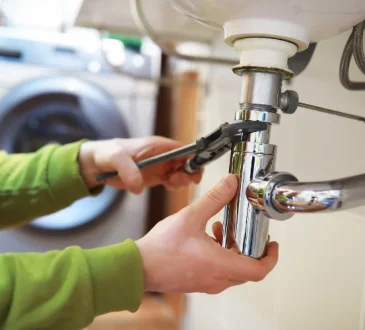
Plumbing Maintenance Tips Every Homeowner Should Know
Introduction A reliable plumbing system makes everyday life easier. From taking a shower in the morning to washing dishes, doing...
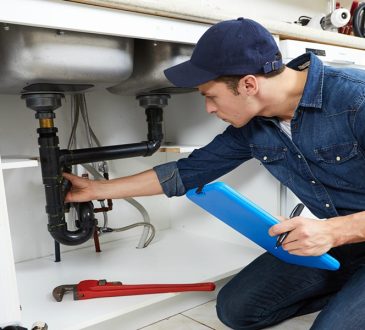
What Every Business Owner Should Know Before Calling a Commercial Plumber
Commercial plumbing problems rarely appear without warning. A leaking pipe, a clogged drainage system, or malfunctioning water heaters can disrupt...

Plumbing: Ensuring Efficient Water Systems for Homes and Businesses
Plumbing is an essential component of every home and business, providing clean water for drinking, bathing, cooking, and sanitation. Proper...

How to Care for Your Garbage Disposal: Real Life Tips to Keep It Running Smooth
Most of the time, we don’t even notice our garbage disposal—it’s just there, swallowing scraps and humming along. But when...