





Introduction
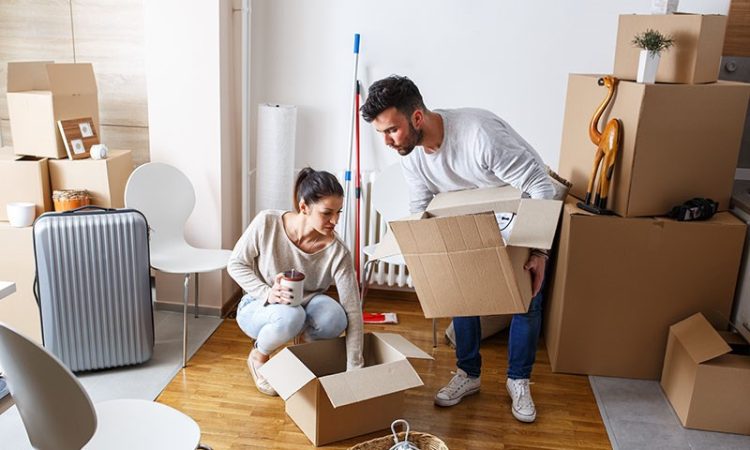
Moving to a new home can be an exciting experience, but the process itself often involves considerable planning. Packing belongings, organizing transportation, managing important documents, cleaning the property, and settling into an unfamiliar space can quickly become overwhelming without a clear plan.
A successful move does not necessarily depend on how quickly everything is packed. Good preparation is usually more valuable. By organizing tasks in advance, reducing unnecessary belongings, protecting valuable items, and creating a realistic schedule, the entire relocation process can become more manageable.
Whether you are moving across town, relocating to another city, or changing homes for a new opportunity, a structured approach can help reduce confusion and make moving day easier.
Why Planning Matters When Moving
Moving involves many small tasks that are easy to overlook. If everything is left until the final few days, packing can become rushed and important responsibilities may be forgotten.
Planning gives you time to complete tasks gradually. You can sort belongings, decide what to keep, arrange transportation, prepare essential items, and organize your new home before moving day arrives.
For example, a family moving from a three-bedroom house can begin by sorting unused belongings several weeks before the move. This reduces the number of items that eventually need to be packed and transported.
Create a Moving Plan
A simple written plan can make the process easier to manage. Begin by deciding your moving date and then work backward to determine what needs to be completed beforehand.
Divide the process into stages such as decluttering, packing, arranging transportation, preparing the new property, and completing final checks.
Set a Realistic Timeline
Avoid trying to complete everything in one weekend if you have a large amount of furniture and household belongings.
Start with items that are rarely used. Seasonal clothing, decorations, books, spare kitchenware, and storage items can often be packed earlier.
Keep everyday necessities available until closer to moving day.
Declutter Before Packing
Moving is an excellent opportunity to reconsider what you actually need. Transporting unused belongings takes additional time, space, and effort.
Go through each room and separate items into practical categories such as things to keep, donate, recycle, or discard.
Focus on Useful Belongings
If an item has remained unused for years and has no meaningful purpose, moving it to another home may not be worthwhile.
For example, an old appliance that has been sitting in storage may take up valuable space in a moving vehicle. Removing it before the move can make transportation simpler.
Pack Room by Room
Packing one room at a time can provide a clear structure. Mixing belongings from several rooms in the same box may save a little space but can make unpacking much more difficult.
Label each box with its contents and the room where it belongs.
For example, a box labeled “Kitchen – Everyday Plates” is much easier to identify than a box simply marked “Items.”
Protect Fragile Belongings
Glassware, dishes, mirrors, decorations, and other fragile items should be packed carefully. Use appropriate protective materials and avoid placing excessive weight on delicate objects.
Do not overload boxes, especially when packing books or other heavy items. Smaller boxes can be more practical for dense belongings.
Prepare an Essentials Box
One of the most useful moving preparations is creating a box or bag containing items needed immediately after arrival.
This may include basic clothing, toiletries, chargers, important documents, simple kitchen supplies, medications, towels, and other everyday necessities.
Keeping these items separate prevents you from searching through multiple boxes after a long day of moving.
Choosing Moving Help
Some people prefer to handle the entire move themselves, while others choose professional assistance. The right option depends on the distance, amount of furniture, available time, and personal preferences.
If professional movers are considered, ask about the services provided and understand what is included before making arrangements.
Important questions may involve packing assistance, transportation, loading, unloading, scheduling, and handling of larger furniture.
Prepare the New Home
If possible, inspect the new property before moving day. Check that essential utilities and basic facilities are ready for use.
Cleaning the property before furniture arrives can also make settling in easier. Empty rooms are generally easier to clean than rooms filled with boxes and furniture.
If repairs or painting are needed, completing them before the move can prevent additional disruption later.
Moving Day Organization
Moving day can become chaotic when everyone is unsure what to do. Assigning simple responsibilities can make the process more organized.
Keep important documents, keys, phones, chargers, and other essential belongings in a secure personal bag rather than placing them inside a moving box.
Before leaving the old property, check cupboards, drawers, storage areas, bathrooms, and other rooms to make sure nothing has been forgotten.
Example: Moving a Family Home
Imagine a family moving from a large home to another property nearby. Instead of packing everything at once, they begin several weeks ahead.
First, they remove unused belongings. Next, they pack seasonal items and rarely used rooms. During the final week, they pack everyday household items while keeping essential belongings separate.
On moving day, labeled boxes are placed in the appropriate rooms at the new property. Because the family has already organized their belongings, unpacking becomes much easier.
Common Moving Mistakes
Waiting Until the Last Minute
Leaving packing until the final days can create unnecessary stress. Starting early allows difficult tasks to be completed gradually.
Forgetting to Label Boxes
Unlabeled boxes can make unpacking frustrating. Clear labels save time when you begin organizing the new home.
Packing Everything
Taking unnecessary belongings to a new property increases the amount of work involved. Decluttering before packing can make the entire move more efficient.
Ignoring Important Documents
Documents such as identification papers, property records, financial paperwork, and other important materials should be kept secure and easily accessible during the move.
Tips for Settling Into the New Home
Do not feel pressured to unpack every box immediately. Begin with essential areas such as the bedroom, bathroom, and kitchen.
Once basic needs are covered, gradually organize other rooms.
Take your time deciding where furniture and belongings should go. Living in the space for a few days may help you understand which arrangements work best.
Frequently Asked Questions
How early should I start preparing for a move?
For a larger household, beginning several weeks in advance is helpful. Smaller moves may require less preparation, but starting early still provides more flexibility.
What should I pack first?
Start with items that are rarely used, such as seasonal decorations, spare belongings, books, and occasional-use equipment. Keep everyday essentials until later.
Should I declutter before moving?
Yes. Removing unwanted or unused belongings can reduce the number of items that need to be packed, transported, and unpacked.
How should I label moving boxes?
Write the room name and a brief description of the contents on each box. Mark boxes containing fragile belongings clearly.
What should I keep with me on moving day?
Keep important documents, keys, personal items, chargers, basic toiletries, essential clothing, and other immediately needed belongings in a separate bag.
How can I make unpacking easier?
Pack room by room, label boxes clearly, and place each box in its intended room when unloading. Start with essential areas before organizing less important belongings.
Conclusion
Moving does not have to be an unnecessarily stressful experience. A thoughtful plan, early preparation, careful packing, and sensible organization can make relocation considerably easier.
The most important step is to avoid treating the move as one enormous task. Break it into smaller stages, remove belongings you no longer need, label everything clearly, protect valuable items, and prepare an essentials bag for the first day.
With a practical approach, moving can become more than simply transporting belongings from one property to another. It can be an opportunity to create a more organized home and begin the next chapter with a fresh start.

Moving Day Preparation: Simple Ways to Keep Your Relocation Organized
Introduction Moving day is the point when weeks of preparation finally come together. Boxes need to be loaded, furniture has...

Budget-Friendly Home Moving Tips That Work
Moving to a new home doesn’t have to drain your savings. With smart planning and a few practical strategies, you...

How to Spot a Reliable Home Moving Service
Choosing a home moving service isn’t just about finding availability—it’s about trusting strangers with everything you own. A reliable moving...