





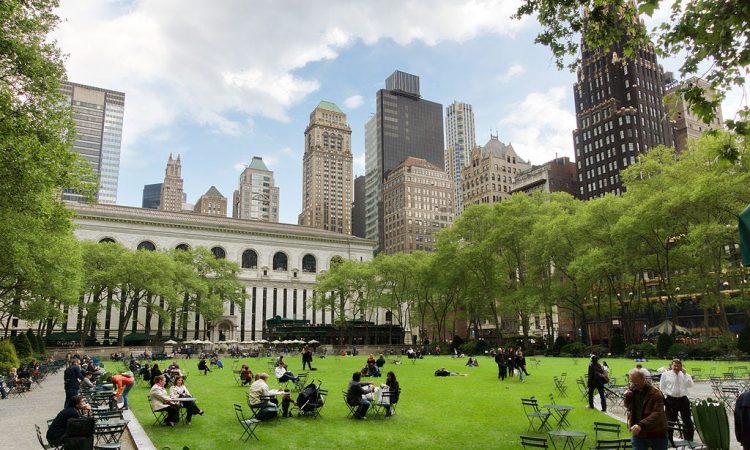
A busy city can make people live close together without always giving them somewhere to meet. Offices, condos, shops and transport links may bring people into the same area, but they do not automatically create a sense of community. A good public space has to do more than fill a gap between buildings. It needs to give people a reason to stop, sit, talk, watch, join in or simply feel comfortable being there.
That is why the idea of a gathering space Bangkok matters in a city where daily life often moves between traffic, malls, offices and home. The best community spaces are not only designed for events. They work on ordinary days too, when someone wants shade during lunch, a quiet place to wait, an open area to walk through, or somewhere informal to meet friends.
Usable Space
A community space works best when people understand it quickly. There should be clear walking routes, places to sit, enough shade, visible entrances and a layout that does not make people feel like they are intruding. In Bangkok, this matters because many public areas feel either too exposed, too commercial, or too difficult to use unless you already know where you are going.
Good design removes that hesitation. People should feel able to pass through without buying anything, sit down without pressure, and use the area at different times of day. A space that only works for planned events will feel empty between activities. A better space has everyday value, even when nothing special is happening.
A mix of people and reasons to visit
The strongest community spaces attract different groups for different reasons. Office workers may use them during breaks. Families may come in the evening. Visitors may stop for food, events or cultural activities. Residents may use them as part of their daily routine. This mix helps the space feel alive without depending on one audience.
Bangkok already has many places where people gather, from markets and temple fairs to parks and shopping districts. The challenge for newer urban spaces is to keep some of that natural variety. Too much control can make a place feel polished but lifeless. Too little planning can make it uncomfortable. A good community space sits somewhere in the middle, with enough structure to be safe and practical, but enough openness for people to use it in their own way.
Greenery, comfort and time
In a hot city, comfort is not a small detail. Shade, trees, air movement, seating and walking space decide how long people stay. A paved plaza with no shade may look impressive in photos, but it will not invite people to spend time there in the middle of the day. Green areas help soften the city and make open spaces more usable.
Time also matters. A community space should not only be active at night or during weekend events. It should have a rhythm through the day, from morning walkers and lunch breaks to evening meetups and seasonal activities. When a space can support both movement and stillness, it becomes part of city life rather than just another destination.

Space, Privacy and Lifestyle in the Phuket Property Hunt
People looking at Phuket property are often not chasing the same thing as someone buying in a city center condo...

How The Right Local Guidance Can Simplify A Phuket Property Search
Choosing a property agency in Phuket is about far more than finding someone with listings on a website. Phuket’s market...

Common Mistakes to Avoid When Using Bridge Loans
One of the first mistakes people make when using a bridge loan for property investment in UK is underestimating the...

How to Evaluate a Real Estate Development Opportunity
Real estate development can be an incredibly profitable endeavor, but only when approached with careful evaluation and a thorough understanding...