





Introduction
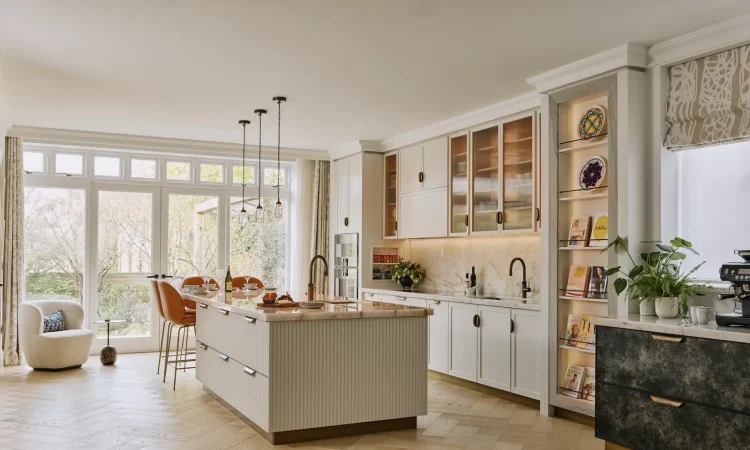
The kitchen is one of the busiest areas in many homes. It is where meals are prepared, groceries are stored, dishes are cleaned, and family members often gather throughout the day. Because of its constant use, a kitchen needs more than attractive cabinets and modern appliances. Good organization, regular cleaning, practical storage, and thoughtful planning all contribute to a comfortable and functional space.
Whether you are maintaining an existing kitchen or planning improvements, small changes can make everyday activities easier. A well-arranged kitchen allows you to find ingredients quickly, prepare food comfortably, clean more efficiently, and make better use of available space.
What Makes a Good Kitchen?
A good kitchen should balance appearance with practicality. Beautiful finishes may improve the visual appeal of a room, but convenience should remain a major consideration.
The placement of the cooking area, sink, refrigerator, storage cabinets, and preparation surfaces can affect how easily people move around while preparing meals. When frequently used items are positioned within easy reach, everyday cooking becomes less complicated.
A successful kitchen should also provide enough lighting, ventilation, storage, and working space for the people who use it.
Important Features of a Functional Kitchen
Practical Storage
Storage is one of the most important parts of kitchen planning. Cabinets, drawers, shelves, and organizers should be arranged according to how items are used.
Frequently used utensils can be kept close to the preparation area, while large serving dishes or occasional appliances can be stored in less accessible cabinets.
For example, keeping cooking oils, spices, and commonly used utensils near the stove can reduce unnecessary movement while preparing meals.
Good Lighting
Adequate lighting makes food preparation easier and can improve the overall atmosphere of the room. A combination of general lighting and focused lighting can be particularly useful.
Ceiling lights can illuminate the entire space, while additional lighting beneath cabinets can brighten countertops where chopping, mixing, and other preparation tasks take place.
Proper Ventilation
Cooking can produce steam, smoke, heat, and strong odors. Good ventilation helps keep the room more comfortable and can reduce the accumulation of cooking residue on surrounding surfaces.
A suitable exhaust system, along with appropriate airflow, can be especially helpful in frequently used kitchens.
Keeping the Kitchen Clean
Regular cleaning is essential because food particles, grease, and moisture can accumulate quickly.
Countertops should be cleaned after food preparation, spills should be addressed promptly, and dishes should not be allowed to remain unwashed for extended periods. Floors may also need frequent sweeping or mopping, particularly in homes where cooking happens several times a day.
Cleaning Different Areas
Different kitchen surfaces require different levels of attention. Countertops may need daily wiping, while cabinet fronts can be cleaned periodically. Appliances such as refrigerators, ovens, and microwaves also benefit from scheduled cleaning.
The sink deserves special attention because food residue and moisture can accumulate there. Keeping it clean after use can help maintain a fresher environment.
Organizing a Kitchen Efficiently
Organization does not necessarily require a large kitchen. Even a compact space can work well when storage is used carefully.
Start by grouping similar items together. Plates and bowls can be kept in one cabinet, cooking utensils in another area, and dry ingredients in a dedicated storage section.
Avoid filling every cabinet with items that are rarely used. Removing unnecessary or duplicate items can create valuable space.
Make Everyday Items Easy to Reach
Items used daily should be stored where they can be reached without difficulty. Less frequently used cookware can be placed higher or farther away.
For example, a large serving platter that is only used during special occasions does not need to occupy the most convenient cabinet space.
Choosing Kitchen Materials
Kitchen surfaces experience frequent contact with water, food, heat, and cleaning products. Materials should therefore be selected for both appearance and practicality.
Countertops should be easy to maintain and suitable for food preparation. Cabinet finishes should also be capable of handling regular cleaning.
Flooring is another important consideration. A kitchen floor should be durable enough for frequent foot traffic and practical enough to clean when food or liquid is spilled.
Making a Small Kitchen Feel Larger
A small kitchen can still be comfortable and efficient. The key is to use available space carefully.
Light-colored surfaces, open shelving, organized cabinets, and appropriate lighting can make a compact area feel more spacious. Keeping countertops relatively clear can also create a cleaner visual appearance.
Instead of storing every appliance on the counter, consider keeping less frequently used appliances in cabinets or dedicated storage areas.
Example of a Well-Organized Kitchen
Consider a family kitchen where breakfast is prepared every morning and dinner is cooked most evenings. If frequently used pans, utensils, spices, and ingredients are scattered throughout different cabinets, meal preparation may take longer than necessary.
Reorganizing these items according to their purpose can make a significant difference. Cooking utensils can stay near the stove, ingredients can be grouped together, and everyday dishes can be placed in an easily accessible cabinet.
This simple arrangement can reduce unnecessary movement and make the kitchen easier to use.
Maintaining Kitchen Appliances
Kitchen appliances require regular care to remain clean and functional. Refrigerators should be checked periodically for expired food and spills. Ovens can accumulate grease and food residue, while microwaves may develop stains from splattered food.
Cleaning appliances according to their manufacturer’s care instructions can help protect their surfaces and maintain their condition.
It is also useful to avoid allowing small problems to become larger ones. Cleaning a spill shortly after it happens is usually easier than dealing with hardened residue later.
Common Kitchen Organization Mistakes
One common mistake is storing too many items on countertops. Although keeping appliances and utensils visible may seem convenient, excessive clutter can reduce preparation space.
Another mistake is ignoring storage accessibility. Heavy cookware placed in difficult-to-reach cabinets can make everyday tasks unnecessarily frustrating.
Poor cleaning routines can also cause problems. Grease and food residue become harder to remove when they are allowed to accumulate for long periods.
Frequently Asked Questions
How often should a kitchen be cleaned?
Frequently used surfaces should generally be cleaned regularly, especially after preparing food. More detailed cleaning of cabinets, appliances, and storage areas can be scheduled periodically.
How can I organize a small kitchen?
Use vertical storage, group similar items together, remove unnecessary belongings, and keep frequently used items in convenient locations. Avoid overcrowding countertops.
What is the most important area to keep clean?
Food preparation surfaces, sinks, cooking areas, and frequently touched handles deserve regular attention because they are used repeatedly throughout the day.
How can I make kitchen cleaning easier?
Clean spills quickly, avoid unnecessary clutter, keep cleaning supplies accessible, and establish a regular routine for appliances, floors, cabinets, and countertops.
Does kitchen lighting really matter?
Yes. Good lighting improves visibility during food preparation and can make the room feel more comfortable. Focused lighting is especially helpful over countertops and cooking areas.
Conclusion
A well-designed kitchen is more than a place for cooking. It is a practical part of everyday life that can support meal preparation, organization, family activities, and social gatherings.
Keeping the space organized, maintaining surfaces regularly, choosing practical materials, and making thoughtful use of storage can improve both convenience and appearance. Even small changes can make a noticeable difference, particularly when they are based on how the kitchen is actually used.
Whether the space is large or compact, the goal should always be the same: create a kitchen that is clean, comfortable, organized, and easy to use every day.
Kitchen Organization Ideas for a More Efficient and Comfortable Home
Introduction The kitchen is often one of the most active rooms in a home. Meals are prepared, groceries are unpacked,...
Kitchen: Designing a Functional and Stylish Heart of the Home
The kitchen is often considered the heart of the home, a space where meals are prepared, memories are created, and...

Transform Your Kitchen: Explore Stylish Countertops in Orlando
The kitchen is often considered the heart of a home, and for good reason. It is where meals are prepared,...