





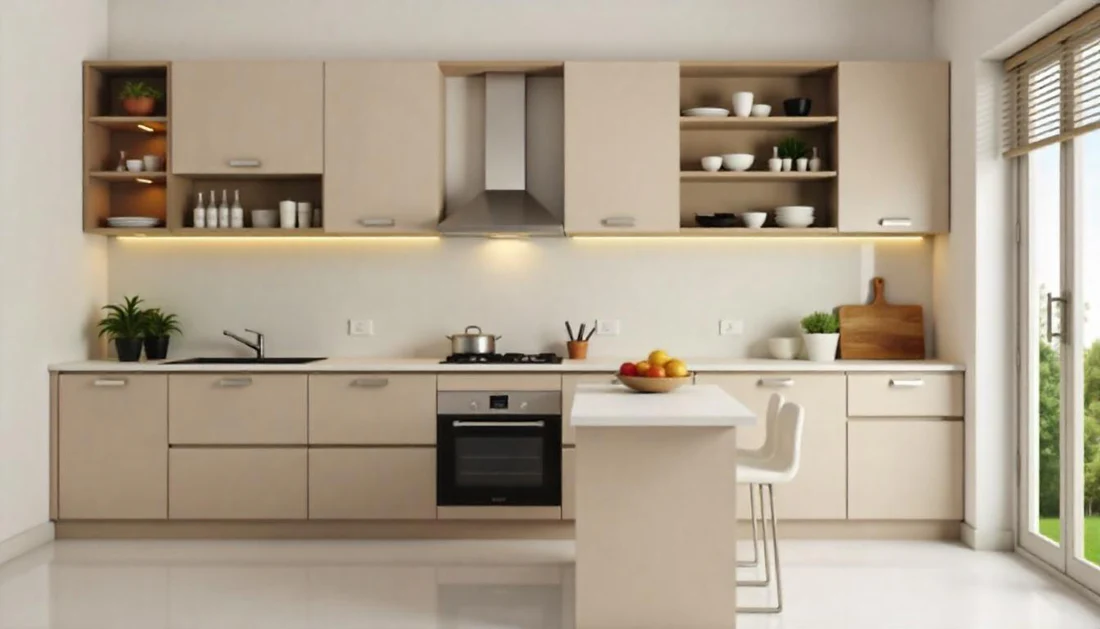
The kitchen is often considered the heart of the home, a space where meals are prepared, memories are created, and family gatherings take place. Modern kitchen design is about more than aesthetics—it combines functionality, storage, ergonomics, and style to create a space that works seamlessly for cooking, entertaining, and daily life. A well-designed kitchen enhances efficiency, elevates the overall home aesthetic, and adds value to the property.
Key Principles of Kitchen Design
Designing a kitchen requires attention to several fundamental principles that balance practicality with aesthetics.
- Work Triangle: The classic concept connecting the sink, stove, and refrigerator optimizes workflow, ensuring efficiency in cooking and cleaning tasks.
- Layout Considerations: Common kitchen layouts include L-shaped, U-shaped, galley, island, and open-plan designs, each tailored to space, functionality, and household needs.
- Ergonomics: Proper counter heights, storage placement, and appliance accessibility reduce strain and improve the cooking experience.
- Storage Optimization: Cabinets, pull-out drawers, pantry solutions, and vertical storage help maintain an organized and clutter-free kitchen.
- Lighting: Combining ambient, task, and accent lighting ensures both practicality and ambiance.
Choosing the Right Kitchen Layout
The layout determines the flow, usability, and visual appeal of a kitchen.
- L-Shaped Kitchen: Ideal for medium to large spaces, offers flexibility, and allows for an open dining or living area integration.
- U-Shaped Kitchen: Provides maximum counter and storage space while keeping appliances and work areas within easy reach.
- Galley Kitchen: Efficient for smaller spaces, featuring parallel counters for streamlined cooking and prep.
- Kitchen Island Layout: Offers additional counter space, storage, and seating, enhancing both functionality and social interaction.
- Open-Plan Kitchen: Integrates cooking, dining, and living areas for a more spacious, connected home environment.
Cabinetry and Storage Solutions
Cabinets are the backbone of kitchen storage, significantly impacting both style and functionality.
- Material Choices: Wood, laminate, MDF, or metal options provide different durability levels and aesthetic finishes.
- Custom vs. Modular: Custom cabinets offer personalized layouts, while modular systems provide flexible, cost-effective solutions.
- Organizational Features: Pull-out shelves, lazy Susans, deep drawers, and vertical dividers maximize storage and accessibility.
- Pantry Solutions: Built-in or walk-in pantries keep food items organized and easily reachable, streamlining meal prep.
Countertops and Surfaces
Countertops are central to kitchen functionality and style, needing durability, practicality, and aesthetic appeal.
- Granite: Durable, heat-resistant, and visually striking, ideal for high-use kitchens.
- Quartz: Non-porous, low maintenance, and available in a variety of colors and patterns.
- Marble: Luxurious and elegant, although it requires regular sealing and careful use.
- Butcher Block/Wood: Warm and classic, suitable for prep areas but requires maintenance and protection from moisture.
- Concrete: Modern, customizable, and durable, offering a unique industrial feel.
Appliances and Technology Integration
Modern kitchens incorporate appliances and technology that enhance convenience, efficiency, and lifestyle.
- Smart Appliances: Wi-Fi enabled ovens, refrigerators, and dishwashers allow remote control and monitoring.
- Energy Efficiency: Choosing energy-efficient appliances reduces electricity bills and environmental impact.
- Built-In vs. Freestanding: Built-in appliances create a seamless look, while freestanding options offer flexibility.
- Ventilation Systems: Efficient range hoods and extractor fans maintain air quality and prevent lingering odors.
Lighting and Ambiance
Proper lighting enhances both functionality and ambiance in the kitchen.
- Task Lighting: Focused lighting over countertops, sinks, and stove areas ensures safe and effective meal preparation.
- Ambient Lighting: Ceiling fixtures or recessed lighting provide overall illumination for the room.
- Accent Lighting: Under-cabinet lights, pendant lamps, or LED strips highlight design features and create a warm atmosphere.
- Natural Light: Maximizing windows and skylights creates a bright, welcoming space that improves mood and visibility.
Flooring and Backsplash Options
Flooring and backsplash choices impact durability, style, and maintenance.
- Tile Flooring: Porcelain or ceramic tiles are water-resistant and easy to clean, perfect for kitchen use.
- Hardwood Flooring: Adds warmth and continuity with adjacent living spaces but requires proper maintenance.
- Vinyl and Laminate: Cost-effective, durable, and available in various patterns mimicking natural materials.
- Backsplashes: Protect walls while adding style; options include tile, glass, stainless steel, or stone.
Color Schemes and Design Aesthetics
Color and style choices shape the kitchen’s personality and influence mood.
- Neutral Tones: Whites, grays, and beiges offer timeless appeal and flexibility with accents.
- Bold Colors: Deep blues, greens, or reds make a statement when used in cabinetry or accent walls.
- Contrasting Elements: Dark cabinets paired with light countertops or vice versa create visual interest.
- Open Shelving: Combines storage with display opportunities, enhancing a modern and airy feel.
Sustainable and Eco-Friendly Kitchen Design
Sustainability in kitchen design focuses on reducing environmental impact while maintaining functionality.
- Recycled and Renewable Materials: Bamboo, reclaimed wood, and recycled glass countertops are eco-friendly choices.
- Energy-Efficient Lighting: LED fixtures save energy and reduce long-term costs.
- Water Conservation: Low-flow faucets and efficient dishwashers minimize water usage.
- Waste Management: Integrated recycling bins and compost solutions streamline eco-conscious living.
Trends in Modern Kitchen Design
Staying informed about kitchen trends can inspire fresh and contemporary designs.
- Open Shelving: Creates a modern, accessible look while encouraging organization.
- Two-Tone Cabinets: Combines different colors or materials for depth and contrast.
- Smart Kitchens: Technology-driven designs enhance convenience, monitoring, and efficiency.
- Matte Finishes: Popular for cabinets and hardware, offering a sleek and contemporary feel.
- Mixed Materials: Combining wood, metal, and stone adds texture, visual interest, and sophistication.
On a personal note, this article was originally written as a general kitchen guide, but I later came across some inspiring kitchen layouts and designs that perfectly illustrate these principles, showing how creativity and functionality can coexist beautifully.
FAQ Section: Kitchen Design
1. What is the most efficient kitchen layout for small spaces?
Galley or L-shaped layouts maximize functionality by keeping appliances and work areas within easy reach.
2. How do I choose the right countertop material?
Consider durability, maintenance, heat resistance, and aesthetics; quartz and granite are popular for longevity and style.
3. How can I make my kitchen feel larger?
Use light colors, open shelving, reflective surfaces, and maximize natural light to create a sense of space.
4. What are the benefits of a kitchen island?
Islands add counter space, storage, seating, and act as a central hub for cooking and socializing.
5. How can I integrate technology in the kitchen?
Smart appliances, motion-sensor lighting, and app-controlled gadgets improve convenience, efficiency, and energy savings.
6. What are sustainable options for kitchen design?
Energy-efficient appliances, recycled materials, low-flow faucets, and integrated waste management are eco-friendly choices.
7. How do I choose the best kitchen color scheme?
Start with a neutral base, add complementary accent colors, and balance light and dark tones for depth and harmony.
Conclusion
A well-designed kitchen blends style, efficiency, and personalization to create a space that is both beautiful and functional. From layout planning, cabinetry, and countertops to lighting, appliances, and sustainable choices, every element plays a role in transforming the kitchen into the heart of the home. By combining timeless design principles, current trends, and practical solutions, homeowners can achieve a kitchen that enhances cooking, entertaining, and daily life while reflecting individual taste and lifestyle. The modern kitchen is not just a workspace—it is a space where functionality meets artistry, creating a welcoming and efficient environment for every home.
Kitchen Organization Ideas for a More Efficient and Comfortable Home
Introduction The kitchen is often one of the most active rooms in a home. Meals are prepared, groceries are unpacked,...
Kitchen: How to Create a Clean, Functional, and Welcoming Space
Introduction The kitchen is one of the busiest areas in many homes. It is where meals are prepared, groceries are...

Transform Your Kitchen: Explore Stylish Countertops in Orlando
The kitchen is often considered the heart of a home, and for good reason. It is where meals are prepared,...