


Owning a pool in Australia comes with legal responsibilities. Every state and territory requires pools and spas to meet strict safety standards, and getting your pool certified confirms it complies with the rules. If you live in New South Wales, working with a qualified pool certifier NSW residents can trust is the first step towards meeting your obligations.
Certification protects children and gives you peace of mind. It also matters when you sell or lease a property, since you must supply a valid compliance certificate. A pool certifier NSW councils recognise will inspect your barrier, gates, and surrounds to check they meet the required standard. Understanding the process helps you prepare and avoid costly delays.
Below is a clear, step-by-step guide to getting your pool certified across Australia, with practical notes to help you get it right the first time.
Step 1: Register your pool
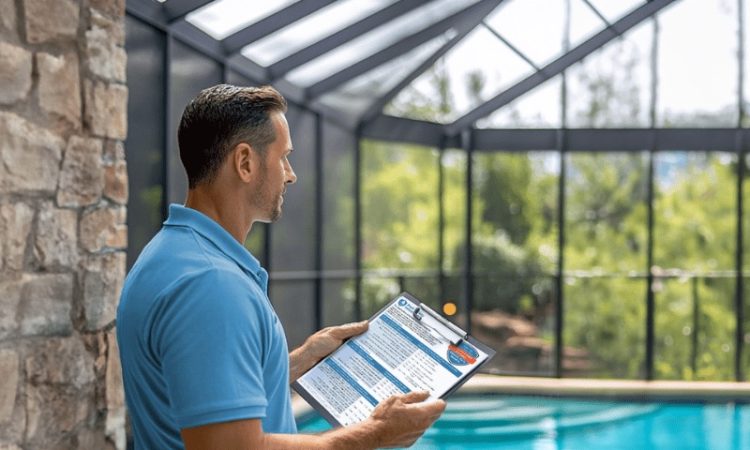
Most states require you to register your pool or spa on an official register. In NSW, for example, registration is done through the state’s swimming pool register. Registration is usually free and needs to be completed before you book an inspection. Have your property address and pool details ready.
Step 2: Check the current safety standards
Barrier rules vary depending on when your pool was built. General requirements include:
- Fences at least 1.2 metres high
- Gates that are self-closing and self-latching
- No climbable objects near the barrier
- A resuscitation sign clearly displayed nearby
Review the standard that applies to your pool so you can fix any obvious problems before the inspection.
Step 3: Prepare your pool area
Walk around your pool with the standards in mind. Check that the gate swings shut and latches on its own. Remove pot plants, chairs, or toys that a child could climb. Trim vegetation near the fence. Small fixes now can save you from a failed inspection later.
Step 4: Book an inspection
Contact an accredited certifier or your local council to arrange an inspection. Fees differ by location and provider, so ask about costs upfront. The inspector will assess your barrier, gates, latches, and the area around the pool.
Step 5: Address any issues
If the inspection finds faults, you will receive a list of items to fix. You then have a set period to make repairs and arrange a reinspection. Common problems include gaps under fences, gates that do not self-latch, and climbable structures too close to the barrier.
Step 6: Receive your certificate
Once your pool passes, you will be issued a certificate of compliance. Keep this document safe. You will need it if you sell or rent out your property, and it confirms your pool meets Australian safety requirements.
Staying compliant
Certificates have an expiry date, so note when yours runs out. Regularly test your gate and check the barrier for wear. Ongoing maintenance keeps your pool safe and helps you avoid penalties down the track.
Following these steps makes the certification process straightforward and gives your family a safer place to swim.
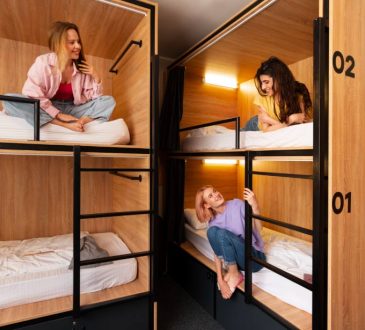
College Hostel vs Private PG in Pune: What Actually Costs More?
Your college hostel was ₹8,000 a month with questionable food and strict curfews. Now you're hunting for a PG in...
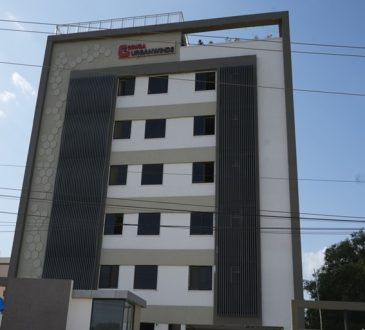
Why Gowra UrbanWinds Is Emerging as a Preferred Choice for 3 & 4 BHK Flats in Kismatpur
Homebuyers today are increasingly prioritizing space, connectivity, and long-term comfort when selecting a residence. This shift in preferences has contributed...

Viewing A Villa As A Long-Term Lifestyle Decision
Buying a villa should be judged as a lifestyle decision as much as a property purchase. The right setting needs...

Essential Electrical Design for Modern Properties
Thailand boasts a rapidly expanding property market. From sleek villas in Phuket to modern high-rise apartments in Bangkok, contemporary homes...