





Flexible work models are often positioned as the smartest option for growing teams, especially during early-stage expansion. Short commitments, shared amenities, and minimal setup remove friction. However, as organisations stabilise, the economics can quietly reverse. This is when demand for an office for rent in Bangkok begins to make more financial and operational sense than continuing with purely flexible memberships.
The tipping point is rarely about headcount alone. It reflects how predictably a business operates day to day.
Predictable Attendance Changes Cost Efficiency
Flexible memberships price space based on access rather than utilisation. When teams attend consistently, per-person costs compound quickly.
Once occupancy stabilises across the week, fixed private space often delivers lower effective cost per workstation, even when headline pricing appears higher. Predictability converts flexibility into redundancy.
Meeting Demand Drives Hidden Premiums
Teams that rely heavily on private meetings, client calls, or internal collaboration often incur additional charges or availability constraints within shared environments.
Dedicated offices eliminate scheduling friction and incremental costs while improving availability certainty. Over time, this operational smoothness carries measurable financial value.
Equipment and Setup Begin to Matter
As workflows mature, teams accumulate specialised equipment, multiple monitors, storage needs, or security requirements. Hot desks and transient setups introduce inefficiency and repeated setup time.
Permanent space supports stable configuration, reducing daily friction and protecting productivity consistency.
Brand Presence Influences Commercial Credibility
Client-facing businesses often benefit from consistent physical presence. Returning customers associate stability with professionalism and reliability.
Private offices reinforce continuity, particularly when hosting meetings or onboarding partners. This soft value supports conversion and retention without being easily quantified.
Noise Control Protects Cognitive Output
As work becomes more complex, cognitive load increases. Persistent noise interruption degrades concentration, increases error rates, and extends task duration.
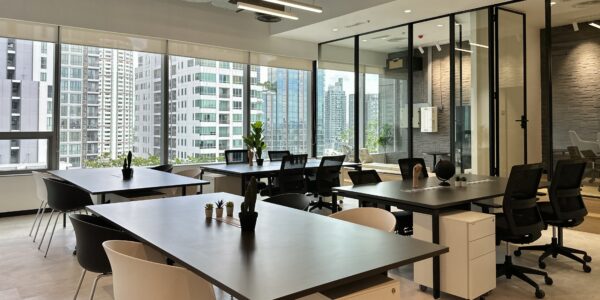
Dedicated space restores acoustic control, supporting sustained focus and reducing fatigue accumulation across the week.
Security and Compliance Introduce New Requirements
Data handling, confidentiality standards, and compliance obligations become stricter as organisations scale. Shared environments may not always support evolving security requirements without additional controls.
Private space simplifies governance, reducing administrative overhead and risk exposure.
Scaling Benefits From Operational Stability
Growth becomes easier when infrastructure remains stable. Teams onboard faster, workflows remain consistent, and collaboration patterns settle naturally.
Constant environment change introduces cognitive drag that scales alongside headcount.
Flexibility Still Has a Place
Private offices do not eliminate flexibility entirely. Modern serviced offices retain short commitments and managed services while delivering operational stability.
This hybrid model balances adaptability with maturity.
Recognising the Inflection Point
The decision to move into a private office reflects operational confidence rather than loss of agility. It signals that workflows, attendance patterns, and collaboration needs have stabilised enough to justify dedicated space.
At that stage, predictability becomes an asset rather than a constraint.
Choosing the right workspace model is not about following trends. It is about aligning physical infrastructure with how the business actually operates today, not how it once needed to operate.
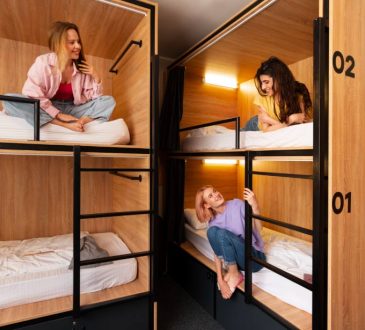
College Hostel vs Private PG in Pune: What Actually Costs More?
Your college hostel was ₹8,000 a month with questionable food and strict curfews. Now you're hunting for a PG in...
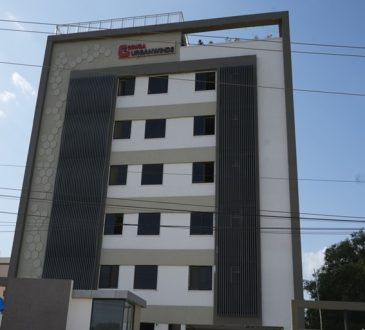
Why Gowra UrbanWinds Is Emerging as a Preferred Choice for 3 & 4 BHK Flats in Kismatpur
Homebuyers today are increasingly prioritizing space, connectivity, and long-term comfort when selecting a residence. This shift in preferences has contributed...

How to get your pool certified in Australia: a step-by-step guide
Owning a pool in Australia comes with legal responsibilities. Every state and territory requires pools and spas to meet strict...

Viewing A Villa As A Long-Term Lifestyle Decision
Buying a villa should be judged as a lifestyle decision as much as a property purchase. The right setting needs...