





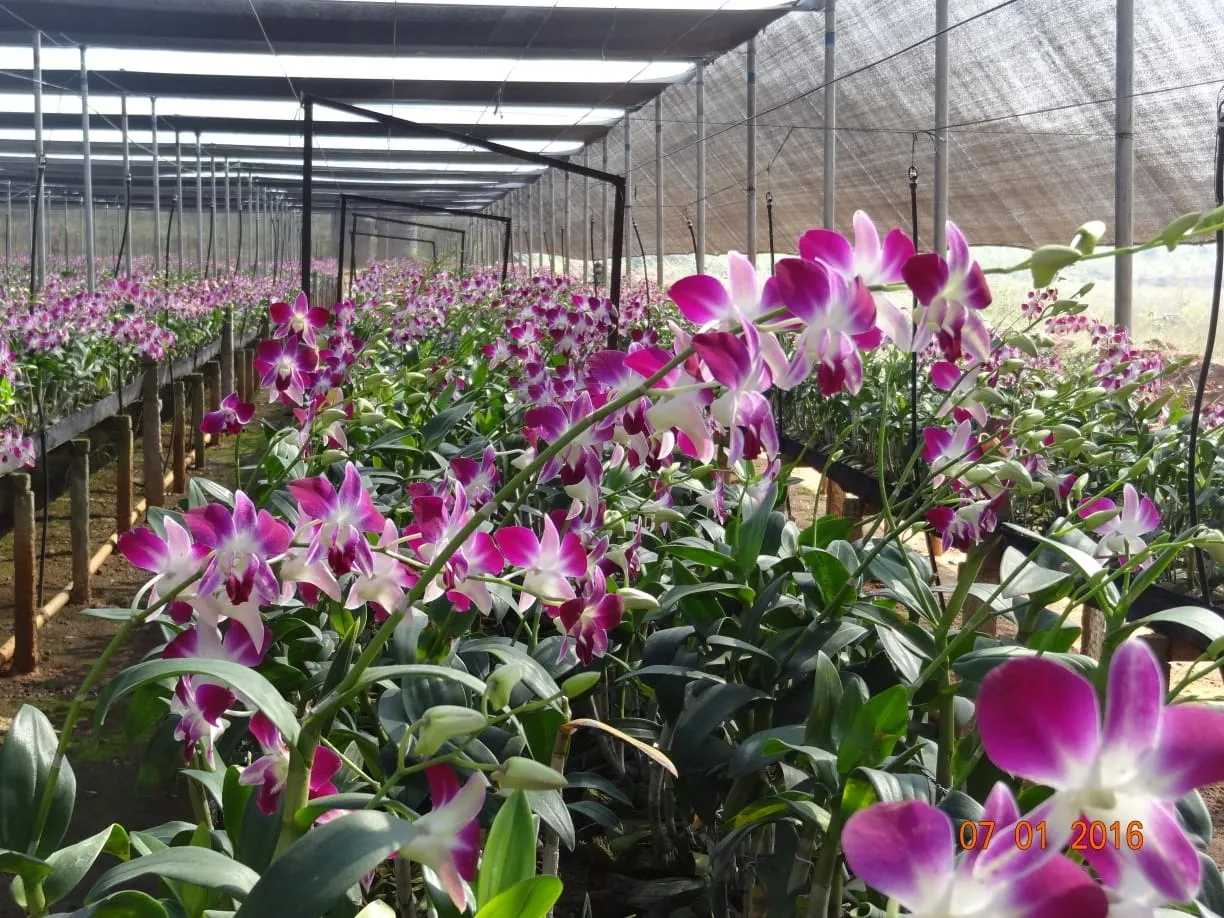
Orchids hold a special place in horticulture and are admired worldwide for their beauty and diversity. Thailand, often called the “land of orchids,” is home to some fascinating advancements in orchid cultivation. With its ideal natural habitat and growing expertise, the Thailand orchids farm industry has seen a significant boost, thanks in part to the laboratories by improving cultivation techniques.
Mass Production
One breakthrough innovation in orchid cultivation is tissue culture. Laboratories in Thailand have mastered this method to produce large quantities of high-quality orchids. By growing orchid cells in sterile environments, scientists and horticulturists can develop identical plants that inherit desired traits. This process helps meet the increasing global demand for orchids and preserves the native varieties to make sure they thrive for generations to come.
Disease-Resistance
Diseases can be a major challenge in orchid farming, impacting plant health and yield for major suppliers. To address this, laboratories focus on identifying and breeding disease-resistant orchid varieties. By studying genetic makeup and environmental factors, researchers create orchids with natural resilience to pests and pathogens. This approach is essential for farms in Thailand, where fluctuating climates and humidity levels can pose significant risks to orchid crops.
Orchid Diversity
Thailand’s orchid species are among the most diverse in the world. Laboratories contribute to this diversity by experimenting with hybridization techniques. By cross-pollinating different species, they develop unique hybrids, each with distinct colors, patterns, and fragrance. This enriches the aesthetic value of orchids and offers farmers new options to grow and distribute globally.
Conservation
Many native orchid species are under threat due to habitat loss and poaching, so laboratories are almost a necessity in protecting these endangered species. By propagating orchids in controlled environments, they help replenish natural populations without exploiting wild natural habitats. Conservation work like this ensures Thailand’s orchid heritage continues to thrive while maintaining the ecological balance.
Growth Rates
Traditional orchid cultivation can take years before a plant is ready for flowering but laboratory techniques, such as optimizing nutrient solutions and growth conditions can reduce this timeline. By analyzing the specific needs of each orchid variety, scientists can accelerate growth and flowering stages, making the cultivation process more efficient for farmers.
Supporting Local Farmers
Laboratories in Thailand work closely with local orchid farmers to share knowledge and resources. They provide farmers with high-quality plantlets, guidance on cultivation practices, and insights into market trends. This collaboration helps farmers adopt scientific methods while maintaining traditional practices, resulting in healthier crops and better yields.
Sustainability
Sustainability is a growing concern in agriculture, and orchid farming is no exception. Laboratories have started experimenting with eco-friendly practices, such as using organic growth media and minimizing chemical usage. These advancements help reduce the environmental impact of orchid cultivation while producing vibrant, lasting plants for local and international markets.

Why Gowra UrbanWinds Is Emerging as a Preferred Choice for 3 & 4 BHK Flats in Kismatpur
Homebuyers today are increasingly prioritizing space, connectivity, and long-term comfort when selecting a residence. This shift in preferences has contributed...

How to get your pool certified in Australia: a step-by-step guide
Owning a pool in Australia comes with legal responsibilities. Every state and territory requires pools and spas to meet strict...

Viewing A Villa As A Long-Term Lifestyle Decision
Buying a villa should be judged as a lifestyle decision as much as a property purchase. The right setting needs...

Essential Electrical Design for Modern Properties
Thailand boasts a rapidly expanding property market. From sleek villas in Phuket to modern high-rise apartments in Bangkok, contemporary homes...