





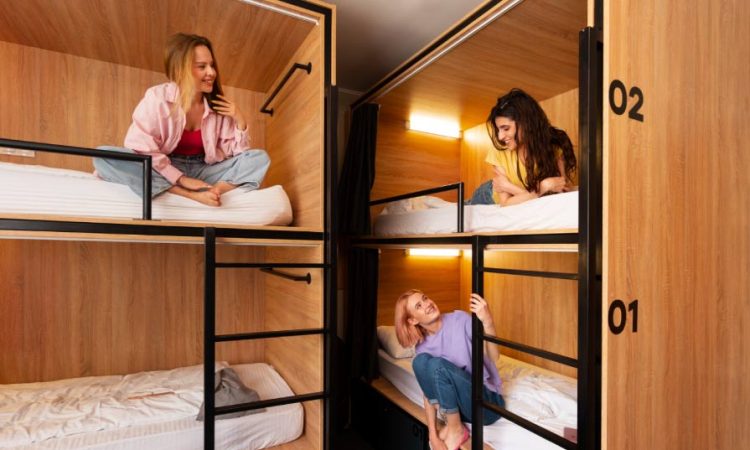
Your college hostel was ₹8,000 a month with questionable food and strict curfews. Now you’re hunting for a PG in Pune, facing rents from ₹10,000 to ₹20,000, and wondering if you’re better off financially or if you’ve just traded one set of compromises for another.
The hostel-to-PG transition isn’t just about rent numbers. It’s about factoring in meal quality, commute time to your first job, and whether “more freedom” translates to more expenses. This breakdown cuts through the surface-level comparisons to show what college hostels and private PGs actually cost when you account for everything.
The Real Monthly Cost: Beyond the Rent Figure
College hostels appear cheaper on paper, i.e. ₹6,000-12,000 monthly including meals and basic utilities. But that number assumes you’re okay with canteen food seven days a week, shared bathrooms for 20+ students, and zero flexibility in timing.
Private PGs in Pune range from ₹10,000 (basic, shared room, no meals) to ₹20,000 (single room, meals included, better location). Add ₹6,000-8,000 for outside meals if your PG doesn’t include food, ₹2,000-3,000 for commute if you’re far from work, and ₹1,500 for personal utilities. The actual monthly spend? Often ₹18,000-25,000.
The hidden variable: time cost. A hostel 15 km from your workplace adds 90+ minutes to your day. A PG 2 km away saves that time but costs ₹3,000-5,000 more monthly. Calculate whether that time is worth the premium based on your work hours and growth priorities.
Lifestyle Trade-Offs: Freedom vs Structure
College hostels operate on institutional schedules like fixed meal times, gate closure at 10 PM, limited guest policies, and mandatory participation in hostel events. You gained structure; you lost autonomy.
Private PGs typically offer more flexibility: no curfews, ability to skip meals without penalty, private or semi-private rooms, and freedom to manage your own schedule. But this freedom comes with responsibilities like coordinating with roommates, managing food on days the PG kitchen is closed, and handling personal housekeeping in lower-tier PGs.
For fresh graduates adjusting to work life, the middle ground increasingly makes sense. Managed PG options in Pune have evolved beyond basic accommodation. It offers structured services (daily housekeeping, two meals, high-speed Wi-Fi) without institutional restrictions, positioned specifically for young professionals who value both convenience and independence.
Location Mathematics: Proximity vs Affordability
College hostels cluster near campus, solving the commute problem for students but creating it for working graduates. Taking a job in Hinjawadi while staying in a hostel near Pune University means 18-22 km daily travel; it looks feasible but is exhausting.
Private PGs near IT hubs (Hinjawadi, Kharadi, Magarpatta) cost ₹3,000-6,000 more monthly than PGs in older Pune areas. But calculate the savings: ₹2,500-3,500 monthly on transport, 2-3 hours daily saved, and reduced fatigue that actually lets you perform better at work.
For jobs requiring a 5-6-day office, proximity wins financially within 6 months even at higher rent. For hybrid roles (2-3 days on-site), the equation shifts where you can prioritize affordable neighborhoods and absorb the occasional longer commute.
Making the Choice: What Actually Matters in 2026?
Start with non-negotiables: your work location, monthly budget ceiling, and whether you genuinely cook or rely on outside food. If your job is in Hinjawadi and you’ve never cooked a meal, a basic PG in Baner with no meals is a false economy. This means you’ll spend ₹8,000+ monthly eating out anyway.
Evaluate the total cost: rent + food + commute + time value. A ₹15,000 PG with meals and a 10-minute commute often beats a ₹11,000 PG requiring separate meal planning and 60-minute travel. The ₹4,000 difference disappears when you factor in food costs and the productivity gained from time saved.
Visit PGs during evening hours (6-9 PM) to see actual living conditions like infrastructure under load, water pressure, Wi-Fi speed with multiple users, and the reality of “attached bathroom” versus “bathroom attached to room but shared with one other person.”
The Takeaway
The hostel-to-PG shift isn’t about whether private accommodation costs more; it does. It’s about whether that cost delivers proportional value: better food, strategic location, time savings and lifestyle fit for working life. Calculate the total monthly outflow, include your time as a cost factor, and choose the option that supports your first-year career performance, not just the one with the lowest headline rent number.
Why Gowra UrbanWinds Is Emerging as a Preferred Choice for 3 & 4 BHK Flats in Kismatpur
Homebuyers today are increasingly prioritizing space, connectivity, and long-term comfort when selecting a residence. This shift in preferences has contributed...

How to get your pool certified in Australia: a step-by-step guide
Owning a pool in Australia comes with legal responsibilities. Every state and territory requires pools and spas to meet strict...

Viewing A Villa As A Long-Term Lifestyle Decision
Buying a villa should be judged as a lifestyle decision as much as a property purchase. The right setting needs...

Essential Electrical Design for Modern Properties
Thailand boasts a rapidly expanding property market. From sleek villas in Phuket to modern high-rise apartments in Bangkok, contemporary homes...