



Introduction
A reliable plumbing system makes everyday life easier. From taking a shower in the morning to washing dishes, doing laundry, and preparing meals, households depend on water and drainage systems throughout the day. When plumbing works properly, it is easy to forget how important it is. However, a small leak, blocked drain, or damaged pipe can quickly become a frustrating household problem.
Regular plumbing maintenance can help homeowners identify warning signs early and keep fixtures and pipes in better condition. Maintenance does not always require complicated work. Simple habits, regular inspections, and timely professional assistance can prevent many avoidable problems.
Understanding Your Home Plumbing System
A residential plumbing system generally includes water supply pipes, drainage pipes, faucets, toilets, sinks, showers, valves, and connections to appliances.
Clean water enters the property through the supply system, while wastewater leaves through the drainage system. Different fixtures depend on these systems working together correctly.
Knowing where important shut-off valves are located can also be useful. If a serious leak occurs, quickly stopping the water supply may help limit damage while professional assistance is arranged.
Check for Leaks Regularly
Leaks are among the most common plumbing problems. Some are obvious, such as water dripping from a faucet, while others can remain hidden for a long time.
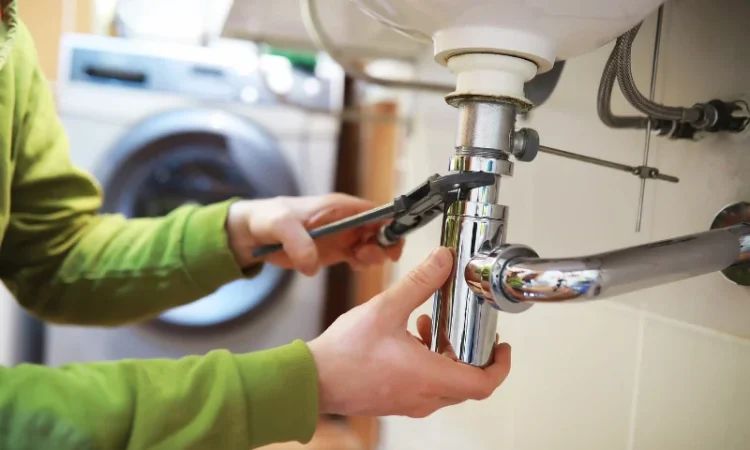
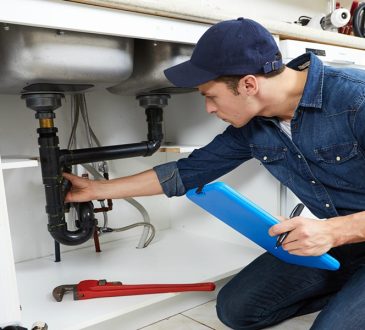
Check areas beneath sinks, around toilets, near washing machines, and around visible pipe connections. Look for dampness, water marks, rust, or unusual moisture.
Why Small Leaks Matter
A small leak may not seem urgent, but continuous water loss can increase consumption and potentially damage nearby cabinets, flooring, walls, or other materials.
For example, a slow leak beneath a kitchen sink may gradually weaken the cabinet base before the homeowner realizes where the moisture is coming from.
Take Care of Your Drains
Drains work best when they are protected from materials that can accumulate inside pipes.
Kitchen sinks should not receive large amounts of grease, cooking oil, coffee grounds, or food scraps. Bathroom drains commonly collect hair and soap residue.
Using suitable drain covers can help prevent larger particles from entering the plumbing system.
Pay Attention to Slow Draining
A drain that empties slowly may be an early sign of buildup. Instead of waiting until the water stops flowing completely, investigate the problem when you first notice a change.
Repeated slow drainage may require professional attention to determine whether there is a deeper blockage.
Maintain Your Water Heater
Water heaters play an important role in homes that rely on hot water for bathing, cleaning, and other activities.
Homeowners should watch for signs such as unusual noises, inconsistent water temperature, visible leaks, or changes in hot-water availability.
Because water heaters contain electrical or heating components and pressurized water, complex repairs should generally be handled by an appropriately qualified professional.
Look After Your Toilet
Toilets are designed to handle specific materials. Flushing unsuitable objects can create blockages or damage the drainage system.
A toilet that frequently runs, fills slowly, or becomes blocked may require attention.
Do not ignore unusual sounds or repeated problems. Recurring toilet issues can sometimes indicate worn components or a larger drainage concern.
Protect Plumbing During Cold Weather
In areas where temperatures become very low, exposed pipes may be vulnerable to freezing. Frozen water can expand and place pressure on pipes, potentially causing them to crack or burst.
Insulating vulnerable pipes and protecting exposed plumbing can reduce the risk.
Homeowners should pay particular attention to pipes located in unheated areas such as garages, exterior walls, utility spaces, or other exposed locations.
Be Careful With Kitchen Plumbing
Kitchen plumbing handles frequent daily use. Food preparation, dishwashing, and appliance connections all place regular demands on the system.
Keep the area beneath the sink dry and uncluttered so leaks can be identified quickly.
If a dishwasher or washing appliance has a water connection, inspect the visible hose and connection area periodically for signs of wear or moisture.
Maintain Bathroom Fixtures
Bathroom fixtures can develop mineral deposits, leaks, and drainage problems over time.
Clean faucets and showerheads regularly and check around connections for moisture.
If water pressure suddenly changes or a fixture behaves differently from normal, investigate the cause rather than assuming it will correct itself.
Know Where the Main Shut-Off Valve Is
Every homeowner should know how to stop the main water supply to the property.
If a major pipe breaks or a serious leak develops, shutting off the water can help reduce the amount of water entering the affected area while help is being arranged.
The location of the shut-off valve varies between properties, so it is worth identifying it before an emergency occurs.
Example: Preventing a Bathroom Blockage
Imagine a household where the shower begins draining slowly. Instead of waiting for a complete blockage, the residents inspect the drain and discover a buildup of hair and soap residue.
They remove the accessible buildup and begin using a suitable drain cover to reduce the amount of hair entering the pipe.
If the drain continues to slow down, professional inspection may be necessary.
This simple example shows how paying attention to early warning signs can prevent a minor issue from becoming a larger inconvenience.
When Professional Plumbing Help Is Needed
Some plumbing problems should not be handled as do-it-yourself projects. Persistent leaks, burst pipes, major blockages, significant water damage, sewage problems, and complex fixture repairs may require professional expertise.
A qualified plumber can identify the underlying cause rather than simply addressing the visible symptom.
Professional assistance is especially important when plumbing work involves hidden pipes, structural damage, electrical components, or major water connections.
Choosing a Reliable Plumbing Service
Before hiring a plumbing professional, consider the type of problem, the provider’s experience, availability, and communication.
For larger repairs, ask for an explanation of the proposed work and understand the expected costs before proceeding.
A dependable service should communicate clearly and treat your property carefully while completing the necessary work.
Common Plumbing Maintenance Mistakes
Ignoring Unusual Sounds
Banging, gurgling, dripping, or other unusual sounds can sometimes indicate plumbing problems. Persistent noises deserve attention.
Using Drains as Waste Bins
Sinks and toilets should not be used to dispose of materials that do not belong in the drainage system.
Waiting for a Major Leak
A small amount of moisture around a pipe connection should not automatically be ignored. Early investigation can prevent more extensive damage.
Attempting Complex Repairs Without Experience
Improper repairs can make a plumbing problem worse. When the cause is unclear or the repair is complicated, professional help is usually the safer choice.
Frequently Asked Questions
How often should I check my plumbing?
A quick visual inspection every few months can help identify leaks, corrosion, damaged connections, and other visible problems. High-use areas may deserve more frequent attention.
What causes low water pressure?
Low pressure can result from clogged fixtures, supply problems, damaged pipes, valve issues, or other causes. If several fixtures experience the same problem, professional evaluation may be useful.
Why does my drain keep blocking?
Recurring blockages can result from repeated buildup, unsuitable materials entering the drain, pipe damage, or a deeper obstruction. A professional can investigate persistent problems.
Can a small leak damage my home?
Yes. Continuous moisture can damage cabinets, flooring, walls, and other surrounding materials. It is better to investigate leaks promptly.
What should I do during a major plumbing leak?
If it is safe to do so, shut off the appropriate water supply and move belongings away from the affected area. Then arrange qualified professional assistance.
Conclusion
Plumbing maintenance is an important part of keeping a home comfortable and functional. Regularly checking for leaks, protecting drains, monitoring fixtures, maintaining water-using appliances, and knowing how to shut off the water supply can help homeowners respond to problems more effectively.
The goal is not to become an expert plumber. It is to recognize unusual signs, practice sensible maintenance, and know when a problem requires professional attention.
By taking small preventive steps throughout the year, homeowners can reduce avoidable plumbing issues and keep their water and drainage systems operating more reliably.
Plumbing: A Practical Guide to Maintaining a Safe and Efficient Home
Introduction Plumbing is one of the most important systems in any home, even though it is often overlooked when everything...
What Every Business Owner Should Know Before Calling a Commercial Plumber
Commercial plumbing problems rarely appear without warning. A leaking pipe, a clogged drainage system, or malfunctioning water heaters can disrupt...

Plumbing: Ensuring Efficient Water Systems for Homes and Businesses
Plumbing is an essential component of every home and business, providing clean water for drinking, bathing, cooking, and sanitation. Proper...

How to Care for Your Garbage Disposal: Real Life Tips to Keep It Running Smooth
Most of the time, we don’t even notice our garbage disposal—it’s just there, swallowing scraps and humming along. But when...