





Maintaining a clean home throughout the year plays a vital role in supporting better health, reducing allergens, and creating a more balanced living environment. By breaking down home maintenance into seasonal tasks, you prevent buildup, improve indoor air quality, and reduce stress associated with large, infrequent cleanings.
Regular Cleaning maintenance helps keep workplaces organized, safe, and welcoming for employees and visitors. A consistent schedule prevents dirt buildup, improves indoor air quality, and extends the life of office furniture and equipment. Businesses that invest in routine cleaning maintenance create a healthier environment and maintain a professional appearance every day.
Why Seasonal Cleaning Matters
A seasonal routine ensures you address cleaning needs aligned with environmental changes. Each season brings different allergens, temperatures, and moisture levels that influence the cleanliness and safety of your home. Regular attention can reduce respiratory irritants, prevent mold growth, and keep pests at bay.
Spring Cleaning: Refresh and Renew
Clear Out Winter Buildup
Spring symbolizes fresh beginnings, making it the ideal time to deep clean spaces that were neglected during colder months. The goal is to restore airflow, eliminate dust, and prepare the home for warmer weather.
Essential Spring Tasks
-
Wash windows and screens to allow maximum sunlight.
-
Deep-clean carpets and rugs to remove trapped allergens.
-
Dust high and hard-to-reach areas, including ceiling fans and shelves.
-
Declutter storage spaces, donating or recycling unused items.
-
Clean upholstery and curtains to reduce dust mites.
Summer Cleaning: Maintain and Prevent
Focus on Air Quality and Moisture Control
Summer often brings humidity, heat, and more time spent outdoors—all of which affect indoor cleanliness. Preventing odors, moisture issues, and pest invasions is crucial during this season.
Key Summer Tasks
-
Clean air vents and replace filters to enhance airflow.
-
Wipe down kitchen surfaces to prevent bacterial growth during hot months.
-
Inspect and clean outdoor areas, including patios and grills.
-
Wash bedding frequently, especially if pets shed more in summer.
-
Check for moisture accumulation in bathrooms and basements.
Fall Cleaning: Prepare for Cooler Months
Reset the Home Before Turning Inward
Fall marks the transition into a season where people spend more time indoors. Preparing your home now prevents the spread of dust and germs during colder weather.
Important Fall Tasks
-
Clean gutters and downspouts to prevent water damage.
-
Vacuum and clean heating vents before heating systems run regularly.
-
Organize closets, storing summer clothing and retrieving cold-weather items.
-
Sanitize high-touch areas, such as doorknobs and switches.
-
Deep-clean the kitchen, including the oven and refrigerator.
Winter Cleaning: Protect and Preserve
Maintain Comfort and Reduce Indoor Pollutants
Winter increases indoor pollutant levels due to closed windows and reduced ventilation. A careful winter cleaning routine helps maintain a healthy environment.
Winter Cleaning Tasks
-
Dust frequently, especially around heating sources.
-
Clean and rotate mattresses to improve sleep hygiene.
-
Wipe down walls and baseboards to remove collected dust.
-
Organize entryways, keeping shoes and moisture under control.
-
Sanitize shared surfaces to reduce the spread of illnesses.
Tips for Staying Consistent Year-Round
Build Habits That Support Seasonal Success
Creating small, consistent habits prevents seasonal cleaning from becoming overwhelming. Consider integrating the following routines:
-
Create a rotating weekly checklist to keep tasks manageable.
-
Use natural cleaners, such as vinegar or baking soda, for safer indoor air.
-
Open windows when possible to improve air circulation.
-
Declutter often, removing unused items before they accumulate.
-
Store seasonal supplies in clearly labeled bins for easy access.
FAQs
1. How often should I perform deep cleaning tasks?
Deep cleaning is best done seasonally, though high-traffic areas may need more frequent attention.
2. What is the most important room to clean each season?
Kitchens and bedrooms should always be prioritized due to food preparation and sleeping environments.
3. Can seasonal allergies be reduced through cleaning?
Yes, consistent cleaning of carpets, bedding, and air filters significantly lowers allergen exposure.
4. What natural cleaners work well for seasonal routines?
Vinegar, lemon juice, baking soda, and mild soap are effective for non-toxic household cleaning.
5. How can I stay motivated with seasonal cleaning?
Break large tasks into smaller steps and schedule them over several days to avoid burnout.
6. Should I hire professionals for seasonal cleaning?
Professional services are helpful for tasks like carpet cleaning, HVAC maintenance, or mold inspections.
7. Is seasonal cleaning necessary for small homes or apartments?
Yes, smaller spaces can accumulate dust and allergens faster, making seasonal upkeep equally important.
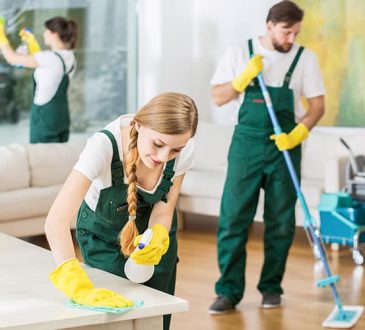
How Professional Cleaning Services Can Make Everyday Life Easier
Introduction Keeping a property clean is an ongoing responsibility. Dust settles on furniture, floors collect dirt, kitchens develop stains, and...

Cleaning Services: A Practical Guide to a Cleaner, Healthier, and More Comfortable Space
Introduction Keeping a home, office, shop, or other property clean is an important part of maintaining a comfortable environment. However,...

How Professional Cleaners Help Prepare Your Home for Winter
As temperatures start to drop, preparing your home for the colder months becomes essential—not only for comfort but also for...